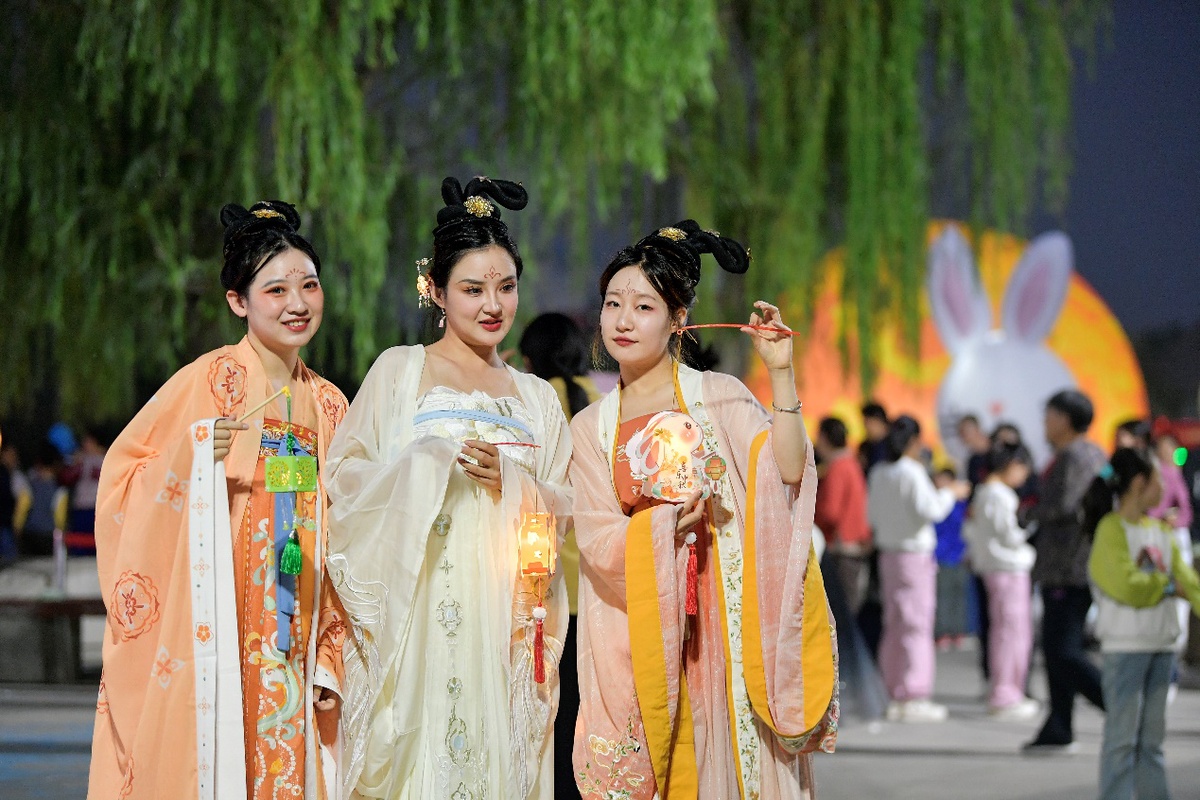
Traditional Han Clothing
Introduction
Traditional Han clothing, commonly referred to as "hanfu", represents the historical attire of the Han ethnic group in China. This clothing style is characterized by its long gowns, loose sleeves, and elaborate embroidery, and it encapsulates the aesthetic values and cultural history of the Chinese people. Hanfu has recently experienced a resurgence in popularity, particularly among younger generations in China, who are drawn to its unique design and the rich cultural heritage it represents.
Historical Background
Hanfu can trace its origins back to more than 3,000 years ago, evolving through various Chinese dynasties. Each era brought subtle changes to the style, fabric, and embroidery of the garments. Historically, hanfu was worn by all social classes in Han society, yet the design, material, and richness of the embroidery often indicated the wearer's social status and profession.
Han clothing was initially influenced by Confucianism, which emphasized harmony and balance, reflected in the attire's symmetry and graceful drapes. The clothing served not only functional purposes but also symbolized the philosophical underpinnings and aesthetic values of the Han people.
Contemporary Revival
In recent years, hanfu has seen a resurgence due in part to cultural nostalgia and a renewed appreciation for traditional Chinese aesthetics. This revival is particularly notable among Generation Z, who are expressing their individuality through a connection to China’s historical past.
Prominent cities such as Xi’an, Hangzhou, and Nanjing have become hotspots for hanfu enthusiasts, who often frequent these locales wearing traditional attire for photo opportunities and social gatherings. The popularity of hanfu has sparked numerous themed events and promotions at tourist sites, further promoting the culture and attire.
Cultural Significance
The hanfu movement is more than a fashion trend; it reflects a broader cultural renaissance. Many young people see wearing hanfu as a statement of cultural pride and a way of reconnecting with their heritage. According to surveys, over 59 percent of the population believes that the revival of hanfu aids in promoting traditional culture. This sentiment is echoed in the general acceptance and fascination with hanfu's aesthetics, which extend beyond clothing to include elements of traditional Chinese art, music, and customs.








